
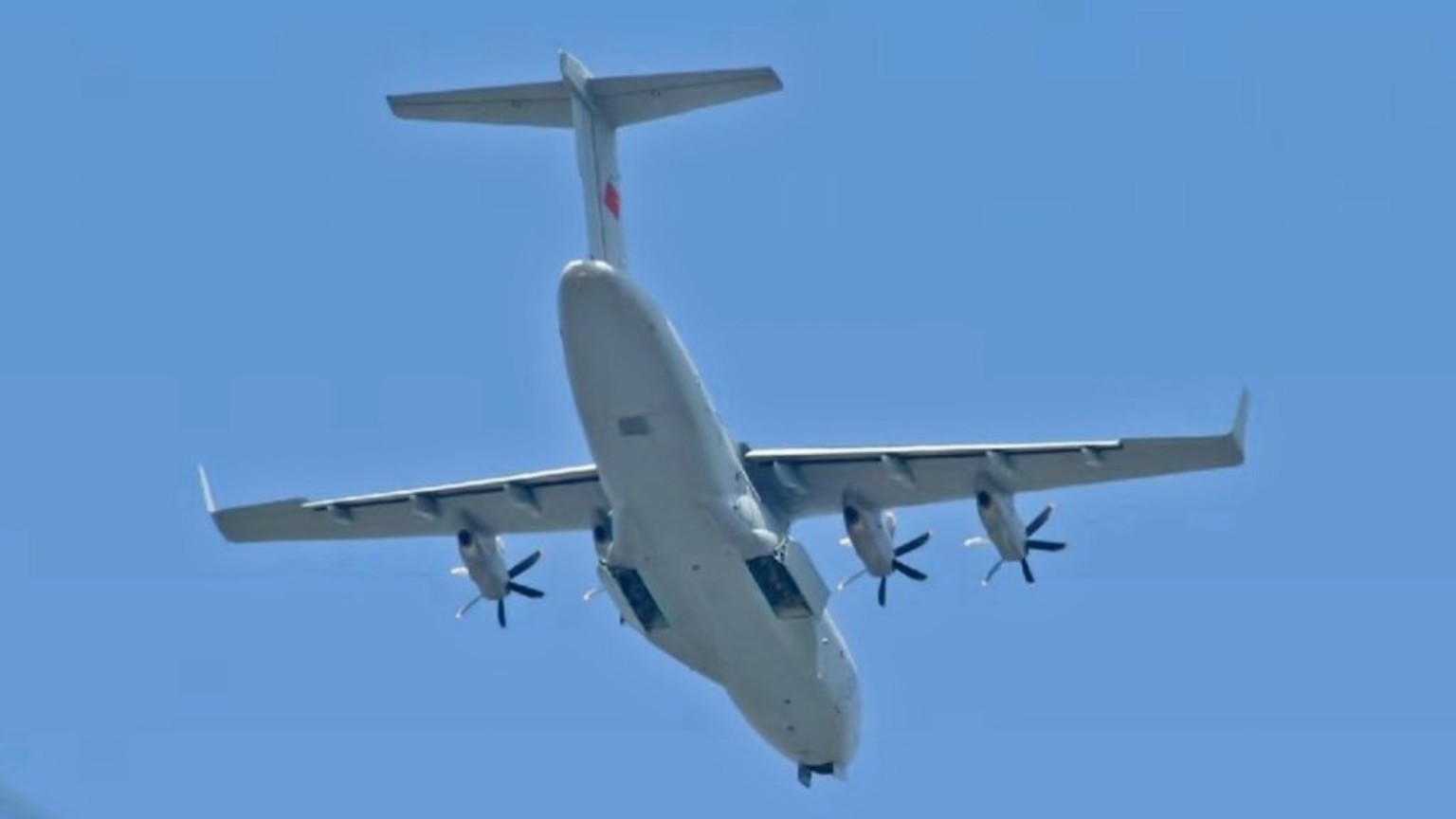
Archive photograph of the Shaanxi Y-15 in flight. The specific capture date and original photographer have not been independently verified. This image is not confirmation of an 8 November 2026 flight.
Open-source imagery of Shaanxi’s four-engine prototype offers further detail on the airframe, while operational capabilities and service-entry plans remain unconfirmed.
8 November 2026 | China | Military Capabilities & Force Structure
Images circulating in open sources show China’s Shaanxi Y-15 tactical transport prototype undergoing flight-test activity. The aircraft, previously discussed under the Y-30 designation, appears in aviation reporting with prototype number 15001. Public imagery dates back to December 2025, with clearer views emerging during 2026; the specific flight date shown in the latest circulated photographs has not been established.
1. Observed Aircraft Configuration
The Y-15 features four turboprop engines, a high wing with wingtip devices and a T-tail. Photographs from ground level and in flight provide views of the main undercarriage and overall layout. The prototype is configured as a military transport, although detailed cargo-hold dimensions, loading performance and the eventual production standard cannot be established from these images alone.
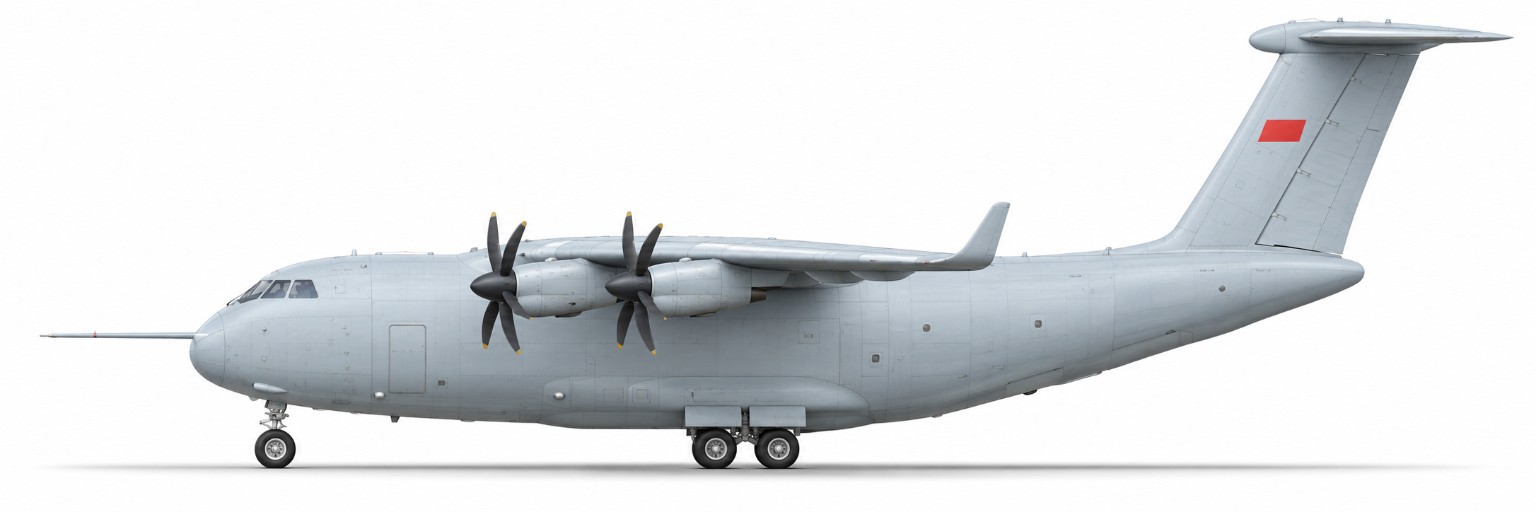
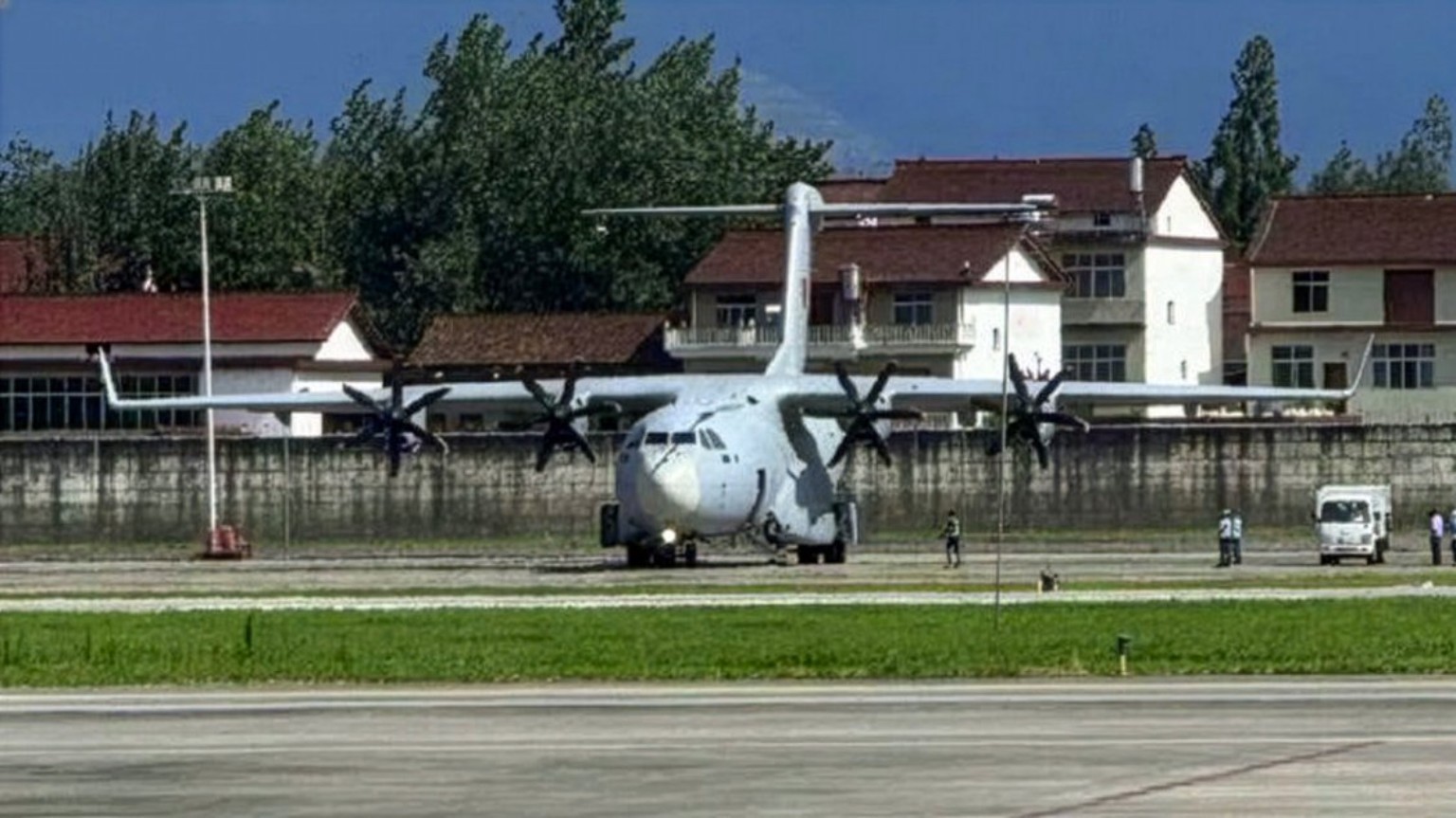
The airframe is being developed by Shaanxi Aircraft Corporation. Aviation reporting identifies the visible flight-test aircraft as prototype 15001, while earlier references to the programme used the designation Y-30. The photographs add to the evidence of an active prototype programme; they do not demonstrate an aircraft already fielded to transport units.
2. Programme and Force-Structure Context
China operates a mix of Y-8/Y-9 turboprop transports and larger Y-20 strategic airlifters. A modern medium tactical transport could provide greater flexibility in moving personnel, supplies and selected equipment between main operating bases and forward airfields, potentially reducing reliance on larger aircraft for routine intra-theatre missions.

These are prospective roles. Neither operational qualification nor reliable public figures for payload, range, flight performance, sortie generation, maintenance requirements and short-runway capability have been verified. Reported design ambitions should therefore not be equated with demonstrated PLAAF capacity.
3. Intelligence World Assessment
The primary significance of the Y-15 imagery is the continued visibility of a new Chinese tactical airlift programme and the emergence of observable details of the prototype’s external configuration. The platform could, if successfully developed and produced, contribute to a more flexible air transport mix. Its operational relevance will depend on usable payload, airfield compatibility, fleet availability, ground-support requirements and sustainable sortie rates rather than on visual resemblance to foreign transport aircraft.

The available evidence supports a flying prototype, not a judgement on production maturity or readiness for deployment. New dated flight-test imagery, official performance data, military acceptance trials and confirmed unit assignment would materially strengthen an assessment of programme progress.
4. Indicators to Monitor
Priority indicators include independently dated photographs of additional prototypes, repeat observations of the same serial number, military trials involving representative loads, rear-ramp operations, austere-field performance, production-line evidence and official statements identifying intended units and timelines. Until such indicators emerge, claims of fleet introduction or specific tactical-lift performance remain provisional.
Military & Defence Analysis Team — Military Capabilities & Force Structure Analyst