
Maritime Coercion, Economic Pressure and the Risk of Prolonged Conflict
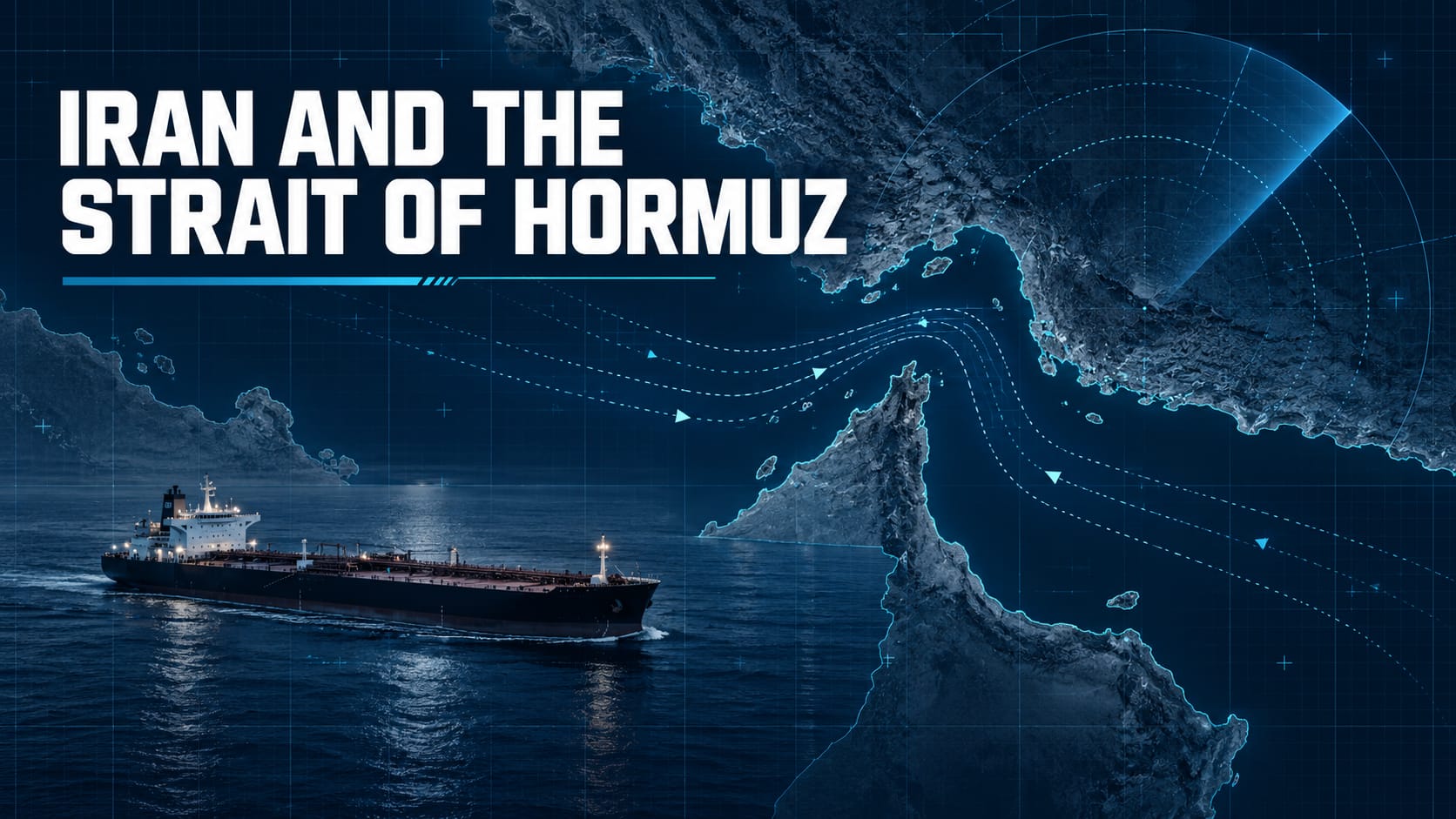
Iran has moved beyond temporary sea denial and is attempting to institutionalize control over passage through the Strait of Hormuz through permits, payment mechanisms and the threat of force. The United States is responding on two connected fronts: interdiction of Iranian maritime traffic and disruption of the financial networks supporting Tehran’s transit system. Negotiations mediated by Oman have not yet produced an accepted framework for access, fees or enforcement. The most likely near-term outcome is therefore a prolonged coercive stalemate, marked by intermittent talks, selective maritime incidents and continued pressure on regional energy routes. The principal escalation risk remains an attack on a commercial or escorted vessel that triggers a wider U.S. response.