
Limited US strikes on Qeshm Island and Iranian warnings of a broader response raise escalation risks around the Strait of Hormuz. The reported strike’s effects and any Iranian retaliation remain unconfirmed.
Event date: 2 November 2026 | Area: Qeshm Island, Strait of Hormuz | Reported targets: Iranian forces operating surface-to-air missiles, according to US officials

1. Reported US strikes
On 2 November, US forces reportedly carried out limited strikes on Qeshm Island. US officials described the action as defensive and said it targeted Iranian forces using surface-to-air missiles against US assets in the Strait of Hormuz. Iranian state media reported explosions on the island. CENTCOM did not publicly confirm the operation in the reporting available on 3 November.
The reported target description comes from US officials. No independent damage assessment has been released; the weapons used, exact target locations and extent of damage remain unverified.
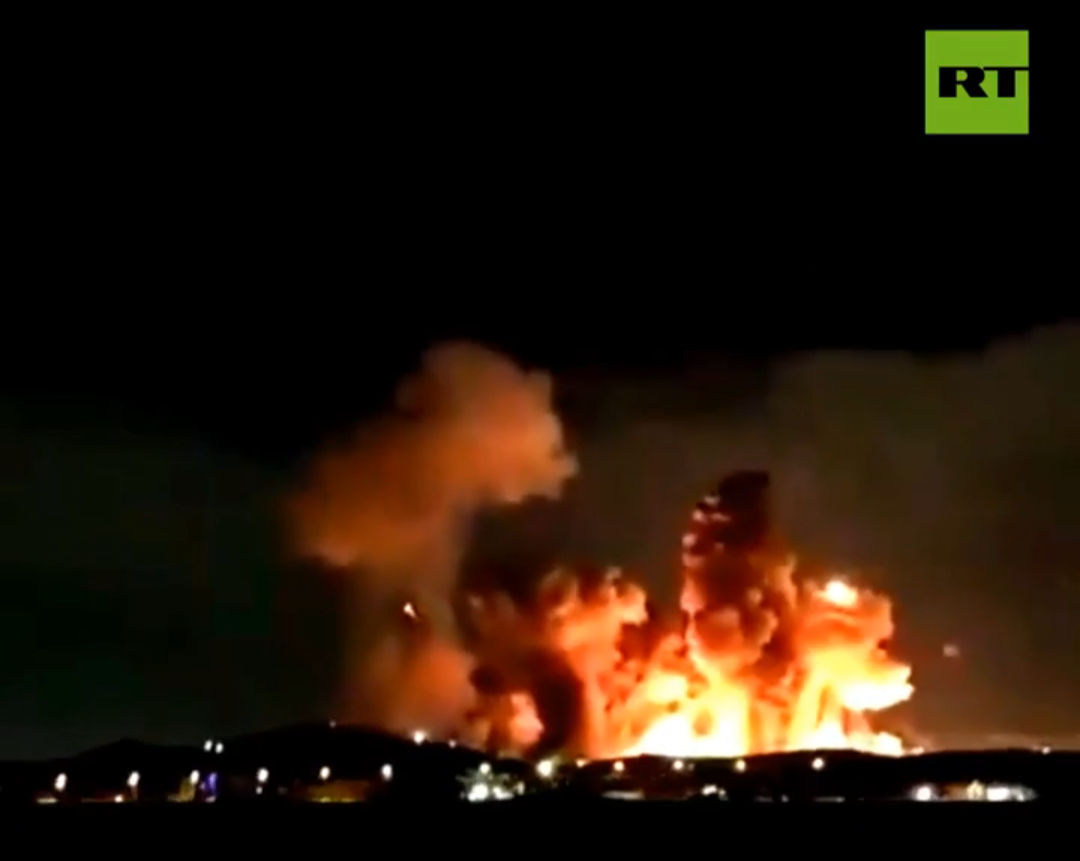
RT Russian broadcast night-time explosion footage in its coverage of the reported strikes. The footage itself does not establish when or where it was recorded and is not independent confirmation of damage on Qeshm.
2. Iran’s warning and the claim of imminent attacks
Iranian parliamentary speaker Mohammad Bagher Ghalibaf said Tehran had delivered a “firm and rational response” and warned that another US “strategic miscalculation” could open a new battlefield. Military spokesman Mohammad Akraminia separately warned that renewed US aggression could bring a broader response and extend the conflict beyond West Asia. These statements are conditional warnings; they do not confirm that an attack has been ordered or is imminent.
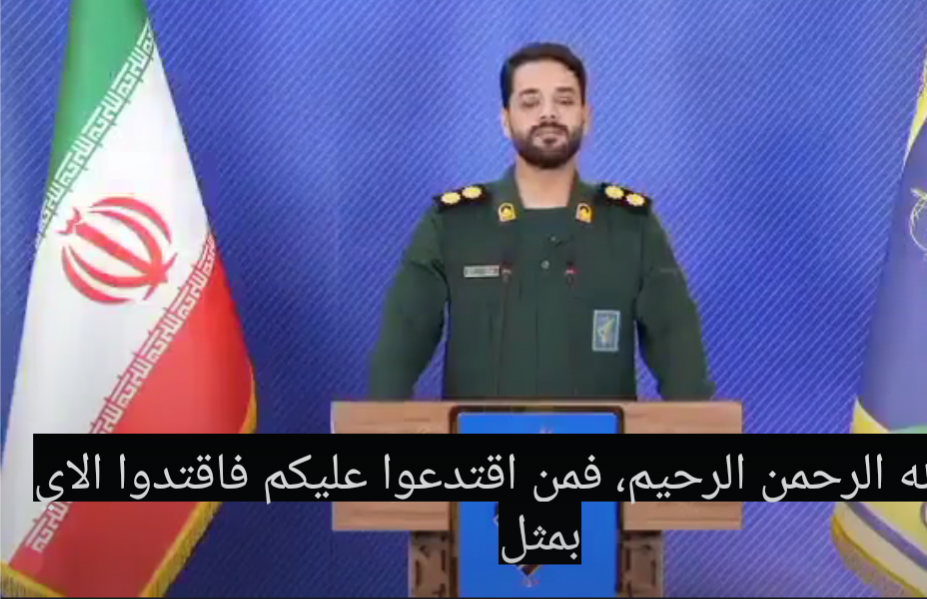
A social-media post accompanying the supplied screenshot claims that Iran has announced decisive attacks and that a countdown has begun. The exact wording and attribution in that post are not verified by the official statements located for this report. It is therefore not treated as evidence of an imminent operation.
3. IW assessment
Qeshm’s position beside the Strait gives the reported action significance beyond its immediate military effect. Even a limited strike can signal that Washington is prepared to engage targets near a critical maritime chokepoint while diplomatic contacts continue. Tehran’s warnings raise the perceived cost of further US action and may be intended to deter it.
The available evidence does not establish the strike’s damage or show that Iranian retaliation is imminent. The distinction matters: public warnings can serve coercive and deterrent purposes without indicating that a specific operation has been approved or launched.
4. Indicators to monitor
Key indicators include confirmed missile or UAV activity, attacks on commercial shipping, changes to force-protection measures and official statements linking any response to the Qeshm strikes. The available reporting does not establish a specific Iranian retaliatory operation.
Related Intelligence World reporting
Iran’s Maritime Interdiction Strategy
Iran Reviews Plans for a Broader Retaliation
Hormuz Tanker Attack: UKMTO Update
Tags: Spot Report; Iran; United States; Strait of Hormuz; Escalation; Maritime Security; #intelligenceworld.
Source basis: official statements and open-source reporting. Image sources are credited beneath each image; the location and date of the RT footage are unverified.
Military & Defence Analysis Team – Joint Operations Analyst