
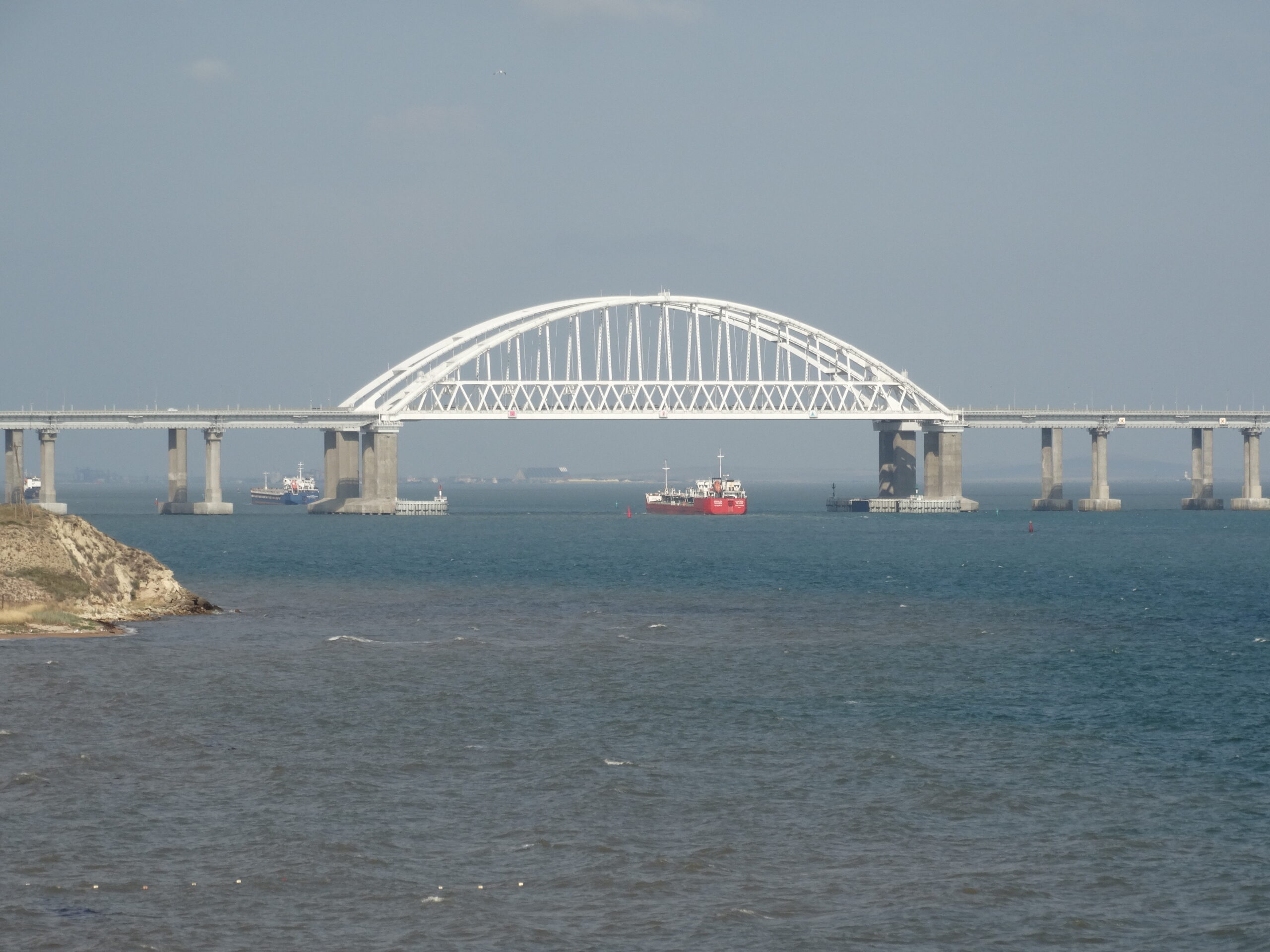
Archive cover image: The Kerch Strait Bridge before the November 2026 strikes. Photo: Leon petrosyan / Wikimedia Commons, 19 August 2020, CC BY-SA 4.0. Displayed with a 16:9 crop. Not evidence of damage in November 2026.

Two consecutive attacks trigger traffic restrictions, while the scale of structural damage remains uncertain.
17 November 2026 | Strategic Infrastructure / Ground Lines of Communication
Short Summary
The Kerch Strait Bridge, a road-and-rail link between southern Russia and occupied Crimea, was targeted on two consecutive nights, 15–16 and 16–17 November 2026. Russian-installed authorities confirmed attacks and temporary traffic restrictions. Russia’s Investigative Committee subsequently acknowledged damage to the bridge structure but did not specify its extent. Claims that a bridge span collapsed have not been independently verified. The confirmed immediate effects are disruption and uncertainty over passage, not the demonstrated long-term loss of the crossing.
Event Overview
Russian officials acknowledged an attack on the bridge during the night of 15–16 November. The Kremlin described the initial damage as minor. The crossing was closed for much of Monday; later that day, officials reported that limited road traffic had resumed under an alternating-direction scheme, while trains were said to be operating.
After the second reported attack, during the night of 16–17 November, Crimean Russian-installed governor Sergei Aksyonov announced a renewed suspension of traffic. The Russian Transport Ministry said road and rail traffic had been temporarily suspended. The Investigative Committee acknowledged structural damage linked to the attacks but did not provide technical details.
Reuters and AP reported unverified footage and claims of a collapsed section. Neither independently verified a span collapse in its reporting. The precise weapon combination used in the attacks is not fully established by independently corroborated evidence.
Operational Significance
The approximately 19-kilometre bridge connects the Crimean Peninsula to Russia’s transport network. Its separate road and rail links support civilian movement and have contributed to Russian military sustainment in Crimea. A temporary closure can compel traffic regulation and rerouting, increasing reliance on alternative land and maritime connections.
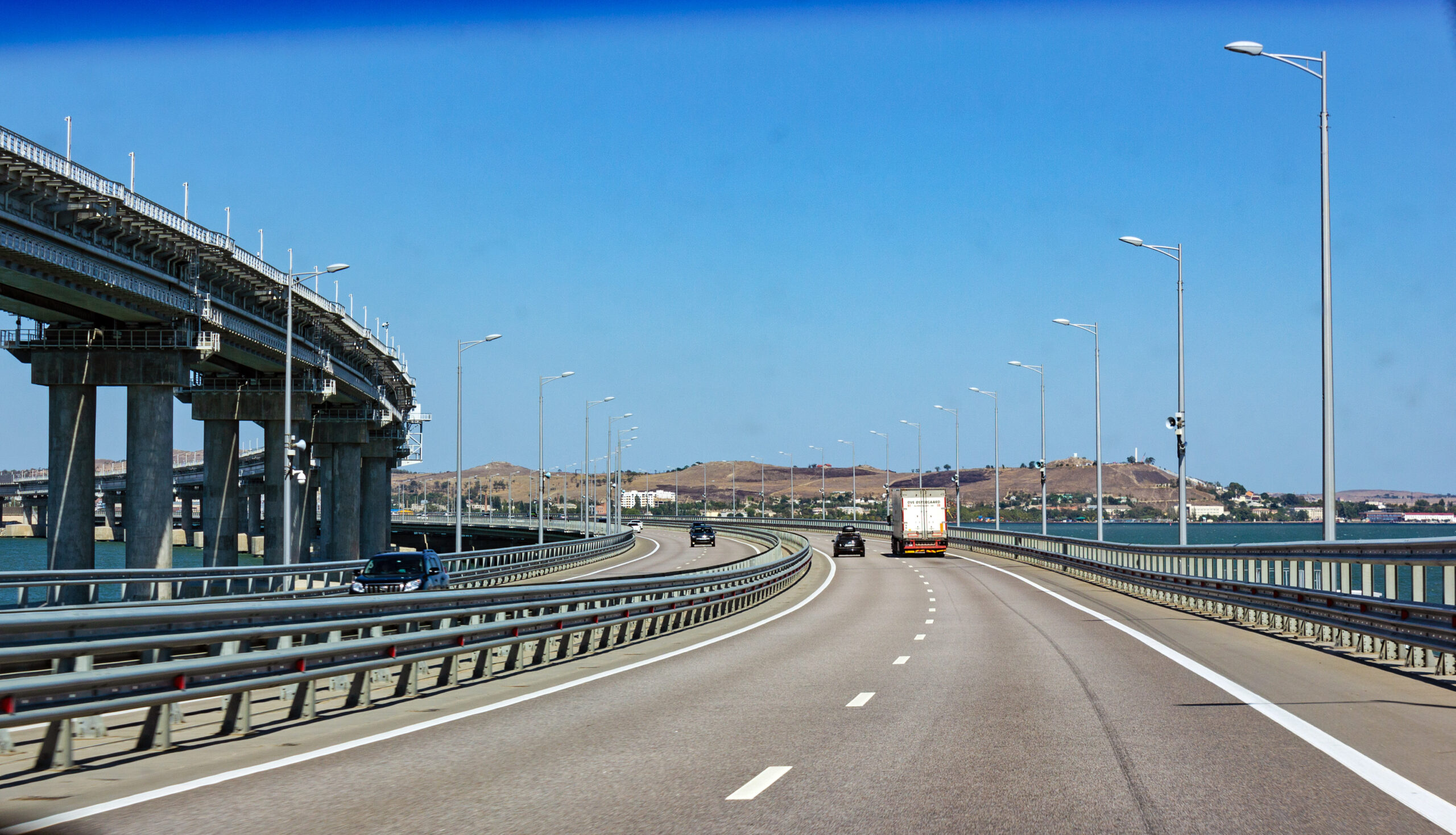

The operational effect depends on the duration and scope of restrictions, the condition of each transport component, repair requirements and actual freight throughput. The first attack was followed by a limited return of road traffic and reports that rail services were operating. The second prompted a new suspension of both modes, according to Russian authorities. These interruptions impose friction, but do not alone establish a lasting reduction in military supply capacity.
Intelligence World Assessment
The repeated attacks demonstrate the ability to impose pressure on a strategic transport node and compel Russian authorities to restrict movement. The newly acknowledged structural damage confirms that the incidents affected the bridge, but available reporting does not establish its precise extent or the resulting reduction in route capacity.
The reported collapse of a road span remains unverified by Reuters and AP. Russian statements that the first attack caused only minor damage do not, by themselves, establish the overall condition of the crossing after the second attack. The immediate traffic disruption is documented; sustained interdiction of military logistics remains unconfirmed.
Potential Implications
Monitoring priorities include verified imagery of the road and railway sections; reopening status and restrictions by transport mode; repair activity and its duration; use of ferries and overland diversions; freight queues; and any confirmed effect on military supply movements. The bridge should not be described as destroyed, or Crimea’s supply system as cut off, without evidence establishing those outcomes.
Joint Operations Analyst