
Tag: C2
-
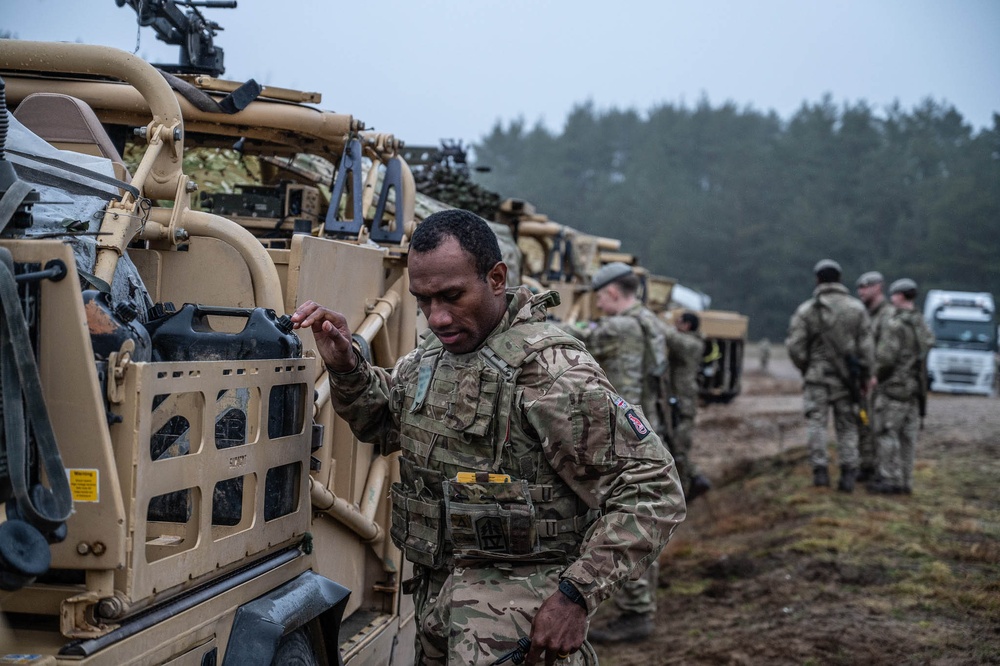
Exercise KOALICJA 26.2 will bring 2,800 personnel from 11 countries together to rehearse multinational command, movement and logistics for a potential post-war mission supporting Ukraine.
-
Published: 3 November 2026 Event: October 2026; reporting date: 2 November 2026 NATO Allied Command Transformation reported the conclusion of linked experiments in Latvia covering resilient communications, layered counter-UAS integration and targeting networks. The FUSE demonstrations brought together sensors, command systems and response capabilities from different suppliers and nations, using live and simulated data. Assessment:…
-

How the PLA studies Ukraine’s war and translates lessons on drones, electronic warfare, ISR and command into training and military adaptation, with implications for Taiwan.
-

Iraq has assumed territorial security after US forces completed their withdrawal. Its forces can conduct targeted counter-terrorism operations, but autonomy remains constrained by persistent ISR, intelligence fusion, precision targeting, air support and sustainment. This Analysis assesses how militia autonomy and the residual ISIS network affect Baghdad’s ability to control the security system.
-

Finland’s entry into the French forward deterrence initiative adds a strategic dialogue alongside NATO and JEF structures, while leaving nuclear command authority unchanged. This analysis examines how shared ISR, rapid attribution, regional command arrangements and conventional readiness would shape deterrence below the nuclear threshold on NATO’s northern flank.
-
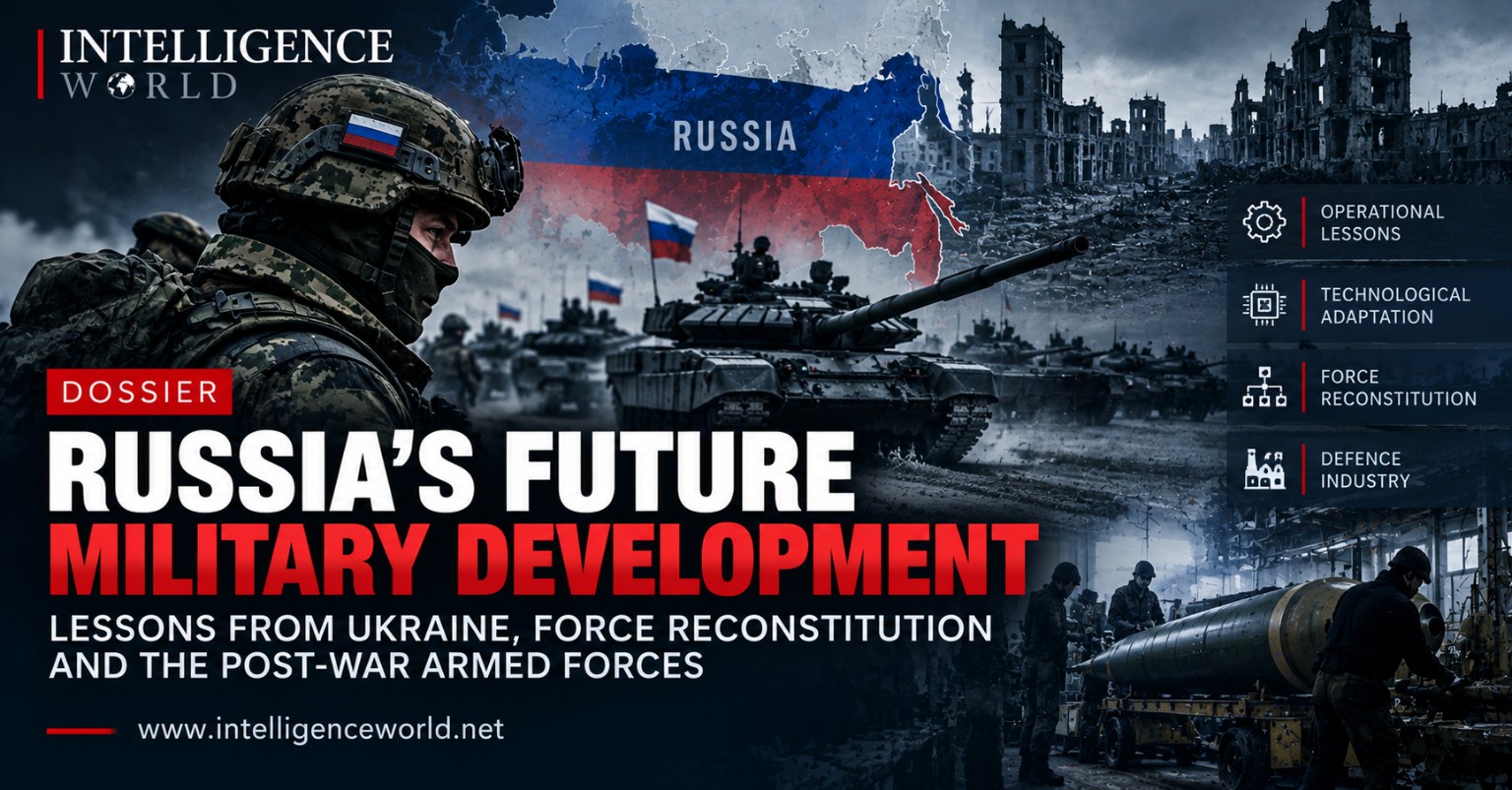
This dossier assesses how Russia’s Armed Forces may evolve from the war against Ukraine. It examines force regeneration, battlefield learning, industrial capacity and structural constraints, and outlines three force-development trajectories to 2030.
-
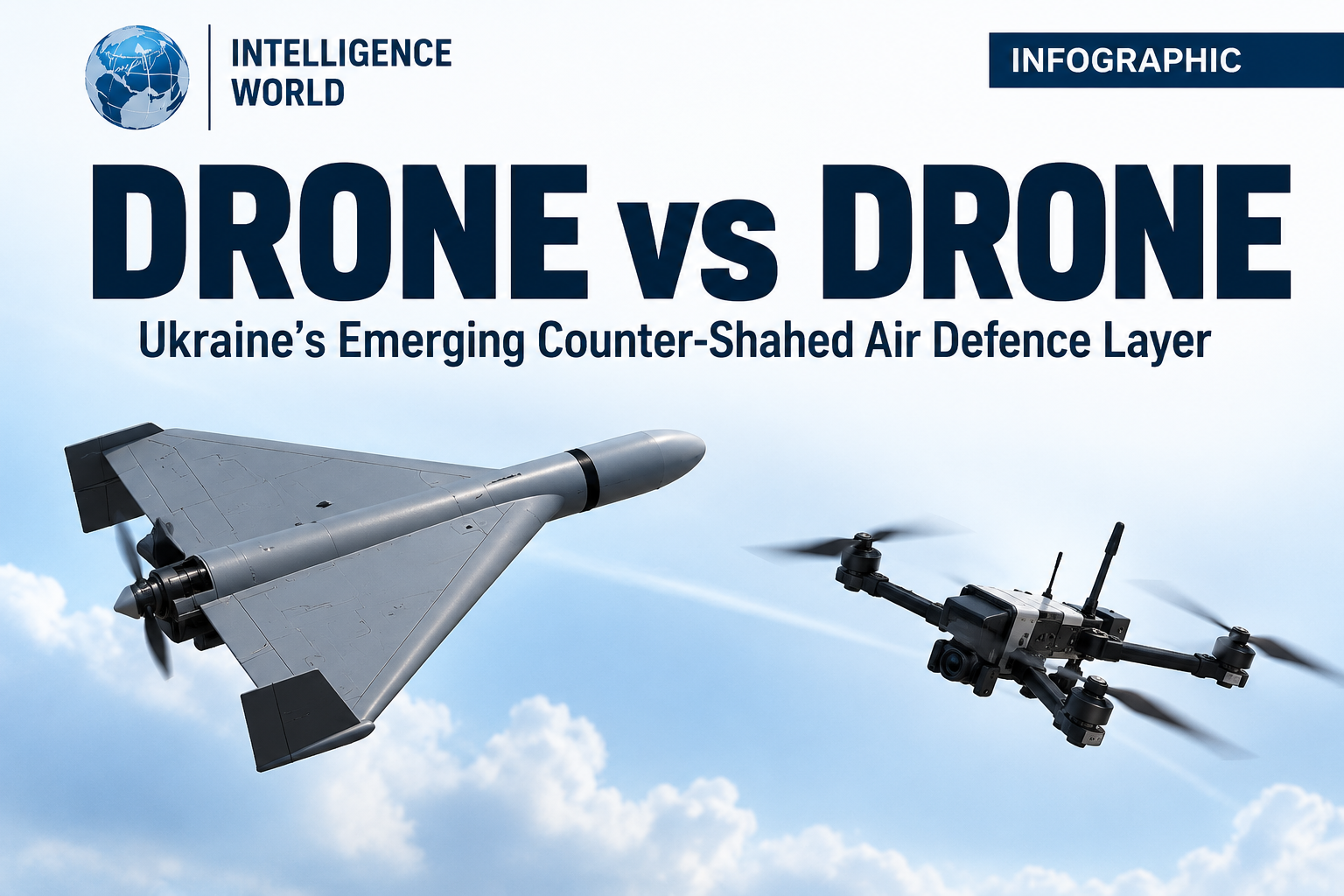
How Ukraine is integrating sensors, C2 and low-cost interceptor UAVs to counter the evolving Shahed/Geran threat.