
Category: Analysis
-
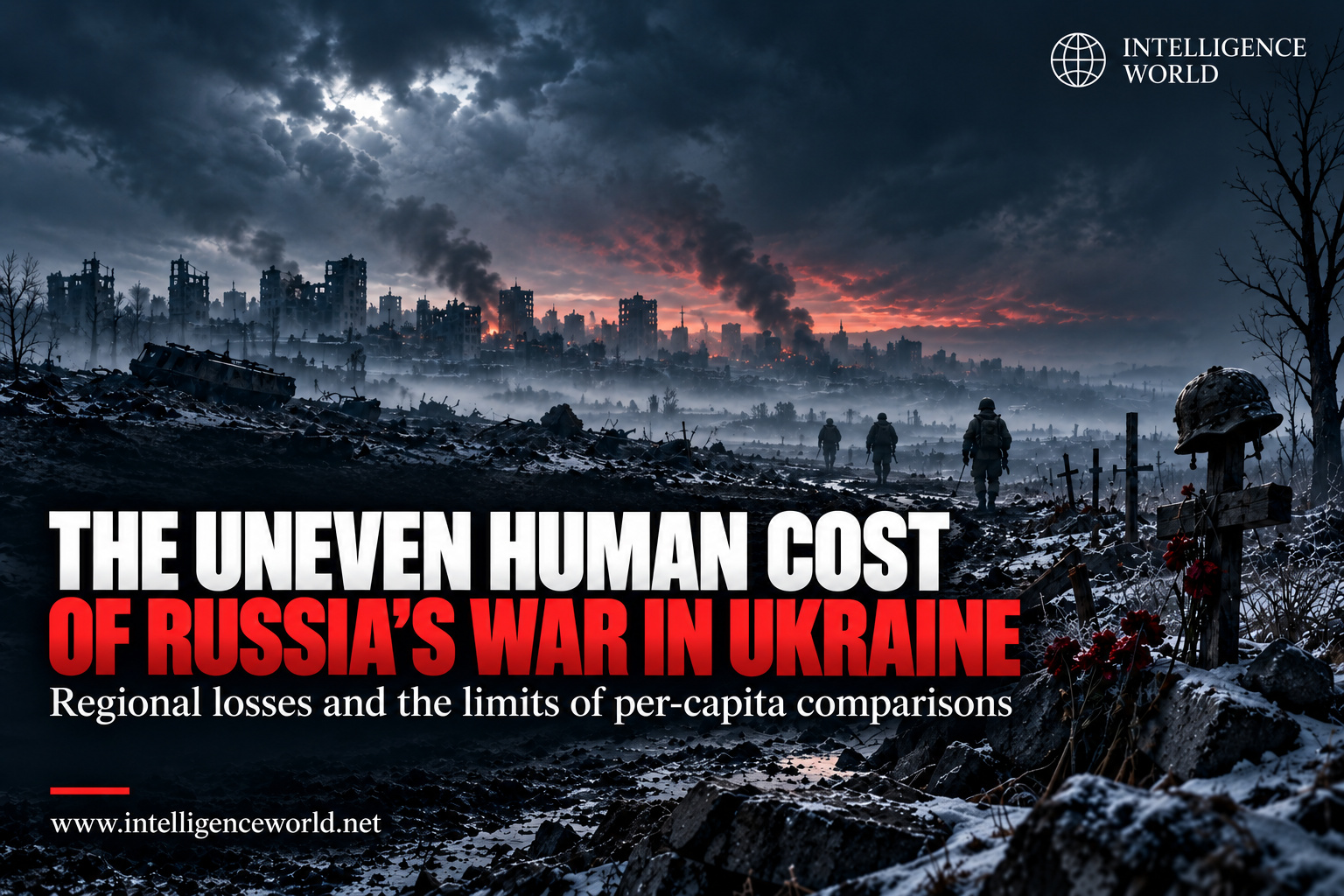
Open-source named-death records show a persistent regional imbalance in Russian military losses, with Tuva and Buryatia repeatedly ranking above Moscow in per-capita comparisons. This Analysis examines the recruitment and force-generation dynamics behind that disparity and explains why the map’s individual regional rates should be treated as illustrative rather than definitive.
-
Kataib Hezbollah’s warning to bring down Prime Minister Ali al-Zaidi’s government links domestic political pressure to restrictions on Iranian aviation and Baghdad’s weapons-control agenda. This Analysis examines the group’s airspace claim, the limits of its stated capability and the indicators that could signal a shift from coercive rhetoric to operational disruption.
-
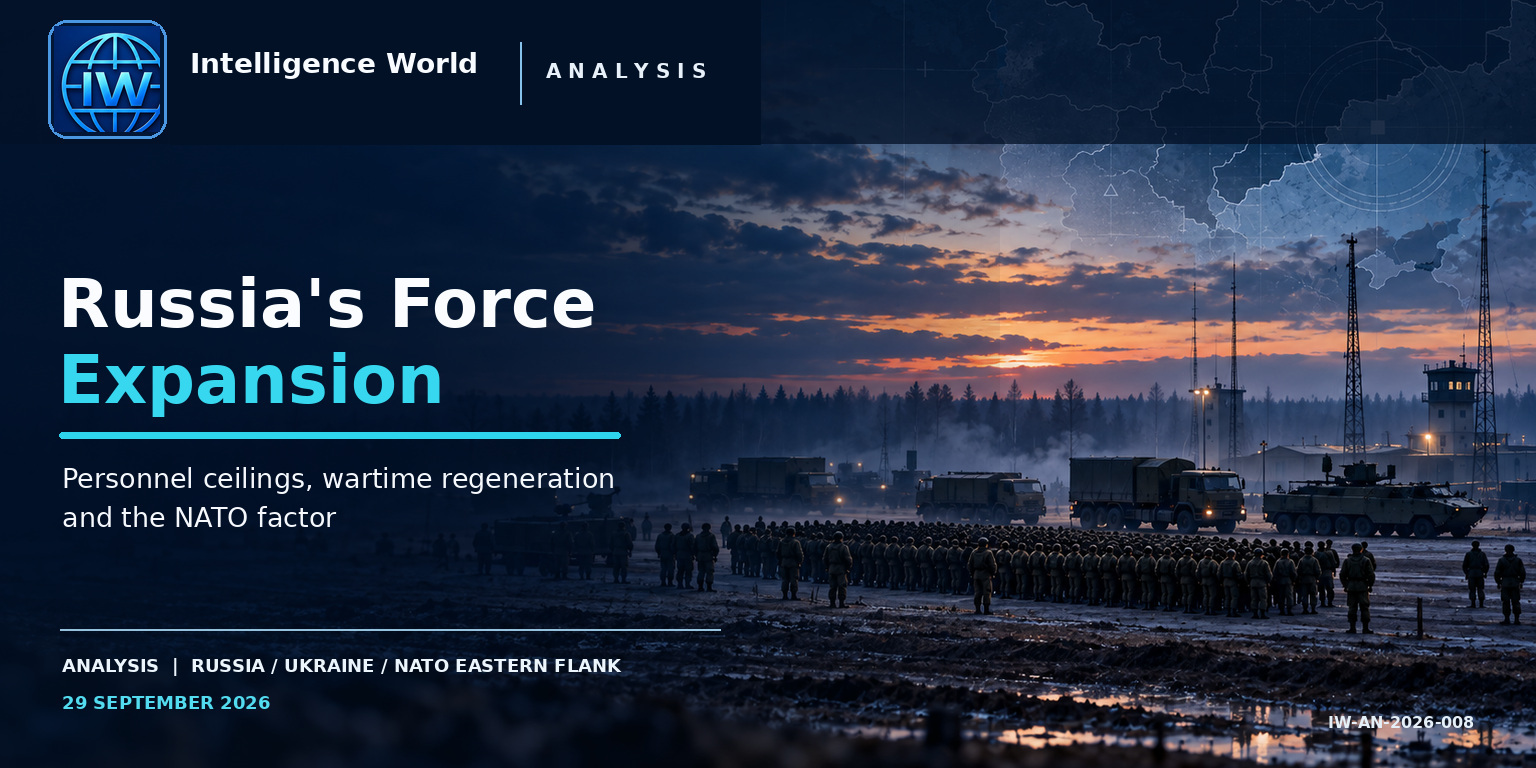
Russia’s latest decree raises the authorised military ceiling by 15,500 posts, continuing a series of 2026 adjustments. The measure formalises a larger force establishment but does not establish actual manning, readiness or deployment. The Analysis assesses force sustainment, future capacity and the NATO factor.
-
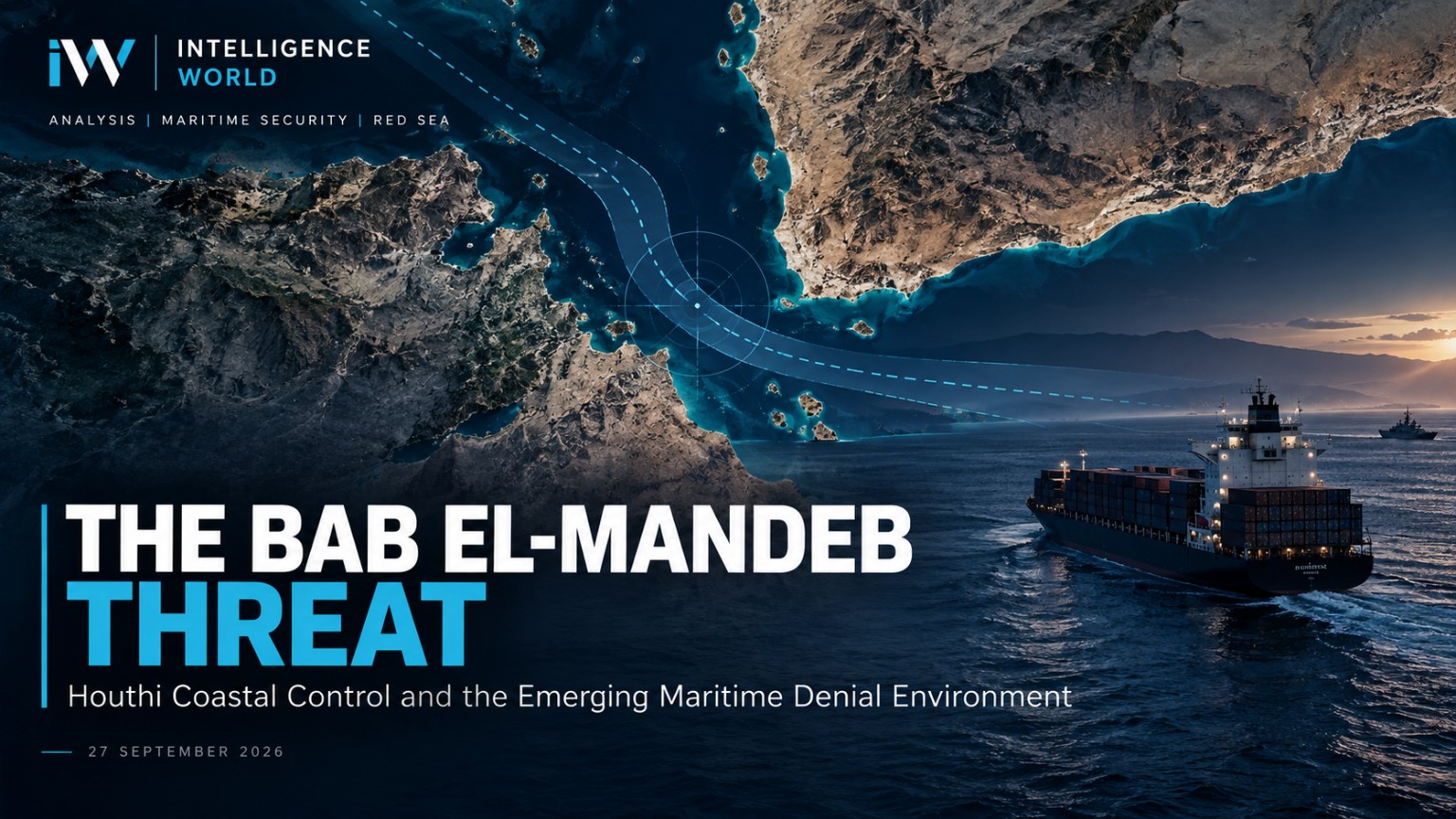
Houthi territorial gains around Bab el-Mandeb improve the conditions for selective maritime interdiction. The key risk is not permanent closure of the strait, but a persistent sea-denial environment capable of influencing commercial shipping and increasing the burden on naval protection forces.
-
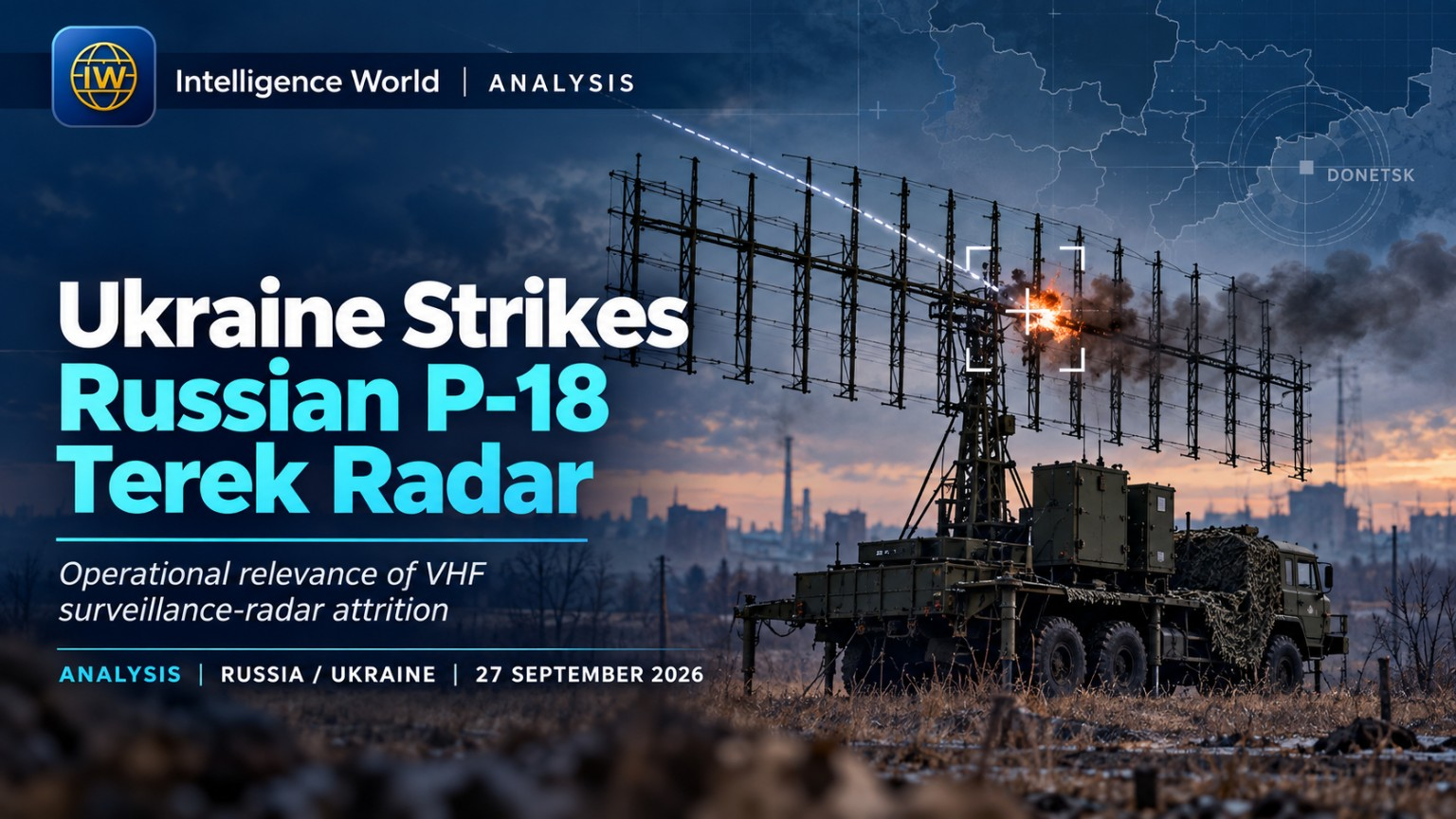
The reported strike against a Russian P-18 Terek radar in occupied Donetsk should be assessed primarily as an attempt to degrade one layer of the local Russian surveillance and air-defence network. The radar provides broad-area VHF detection and early-warning support rather than precision fire control.
-
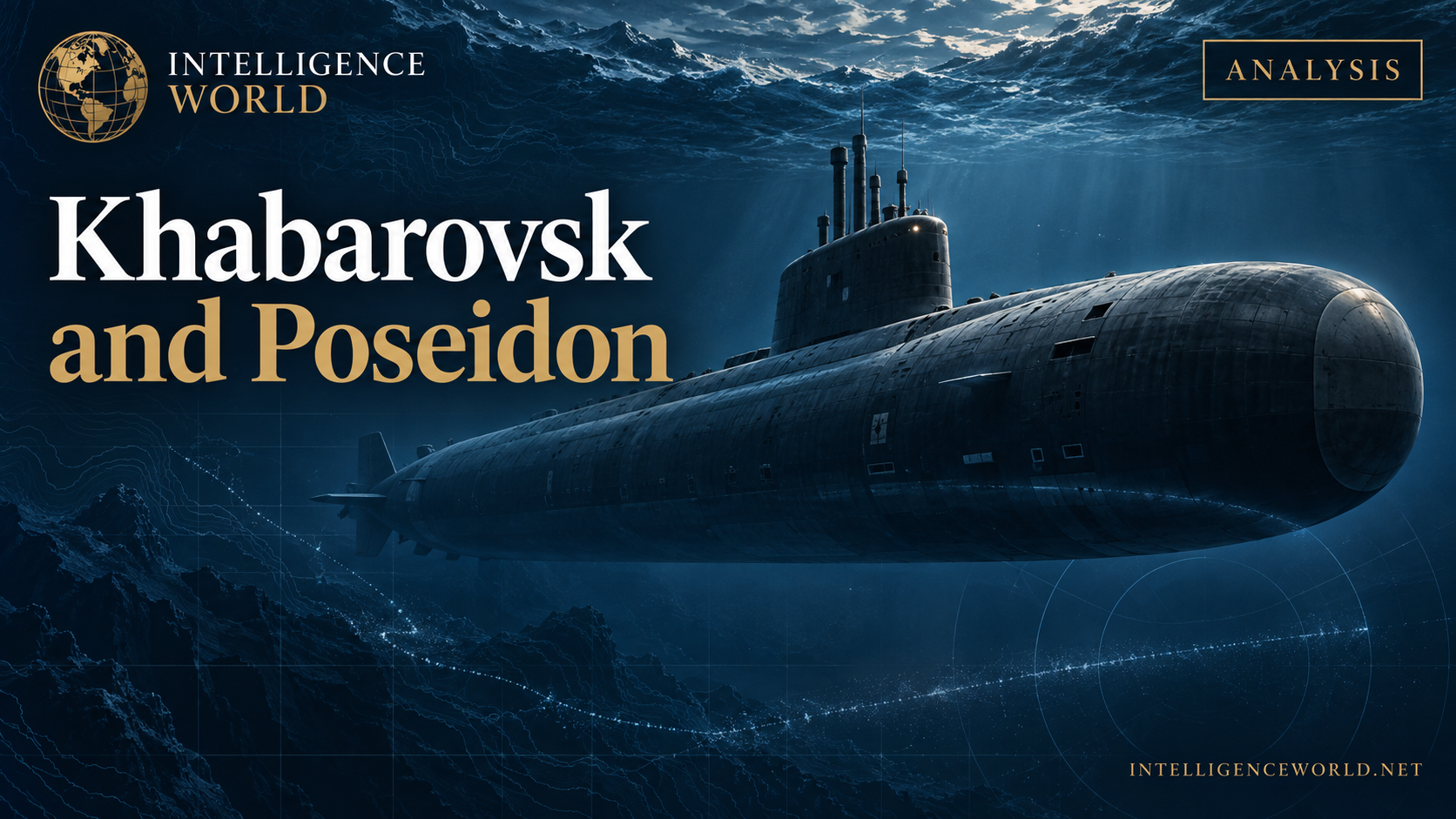
Khabarovsk has entered sea trials, advancing Russia’s Poseidon programme. The Analysis examines technical uncertainty, force-development limits and implications for NATO undersea surveillance.
-
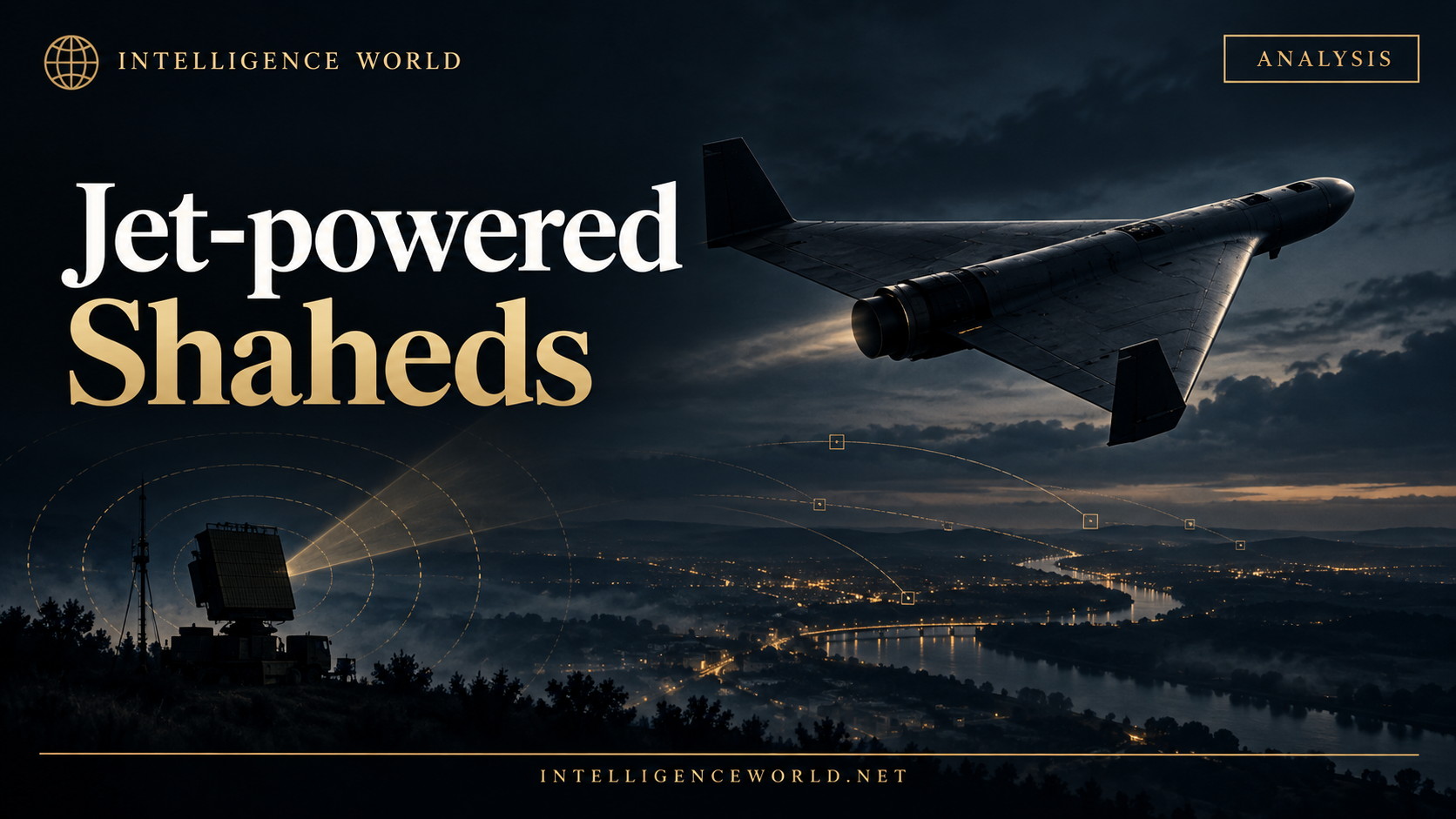
Russia launched 82 jet-powered Shahed-type UAVs in a 161-system attack on 23 September. The faster platforms increase pressure on Ukraine’s air-defence network; aggregate neutralisation figures do not establish their interception rate.
-
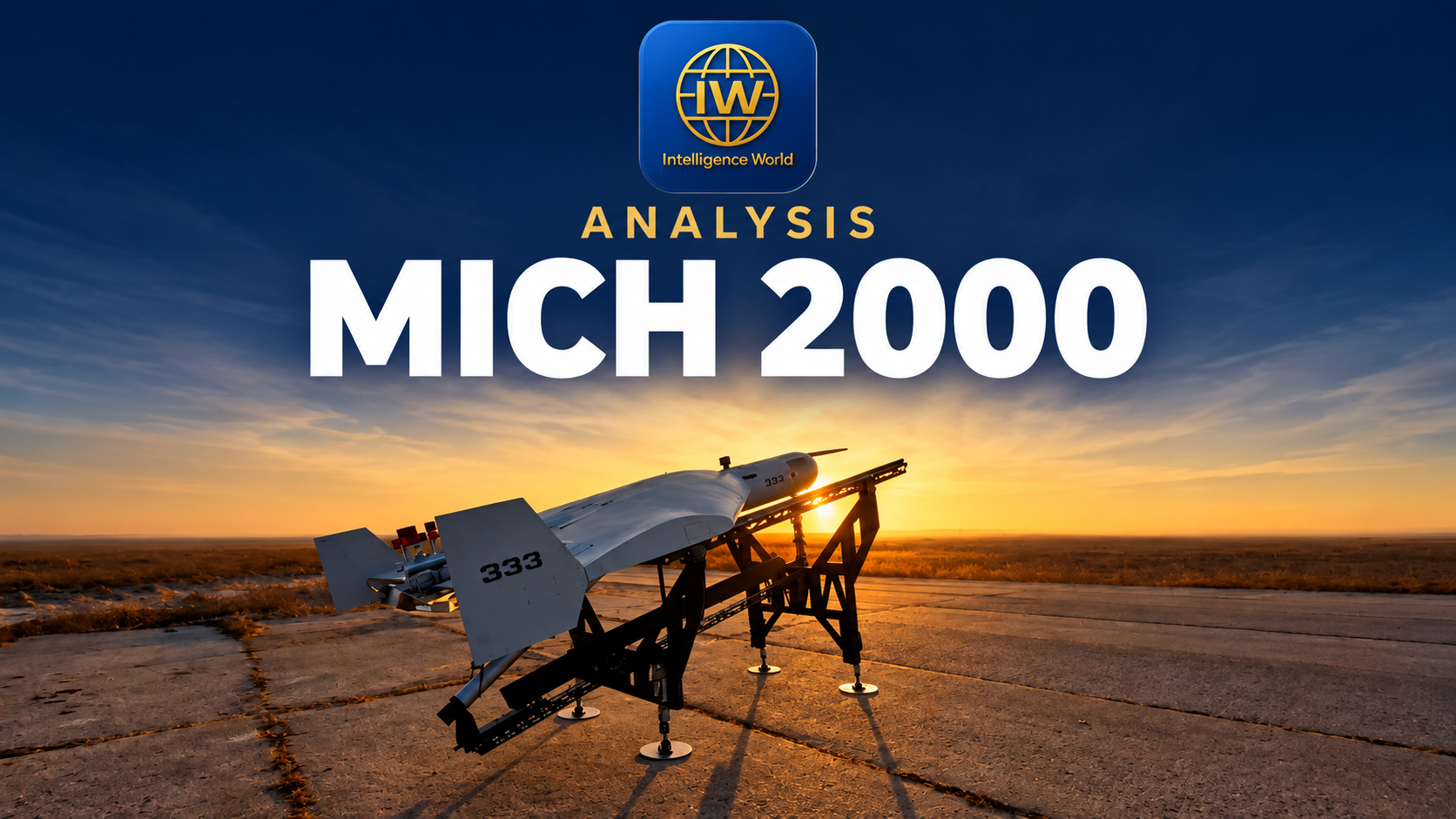
An assessment of the MICH 2000’s development, configuration and reported use by Ukraine’s SBU Alpha, distinguishing observed features from unverified performance and strike-attribution claims.
-
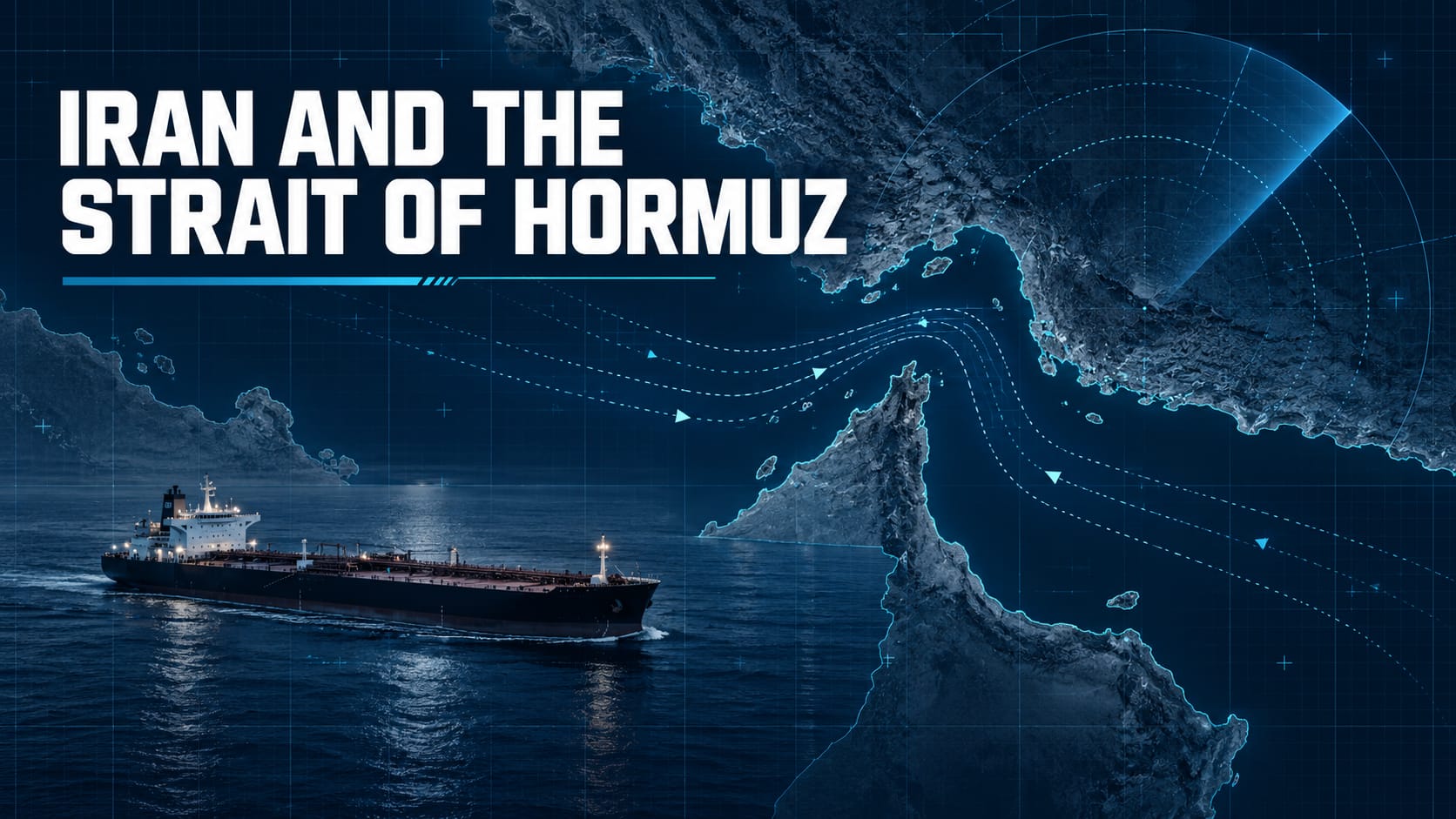
Iran is attempting to institutionalize control over passage through the Strait of Hormuz through permits, payment mechanisms and the threat of force. The United States is responding through maritime interdiction and financial pressure, while Omani mediation has yet to produce an accepted framework for access, fees or enforcement.
-
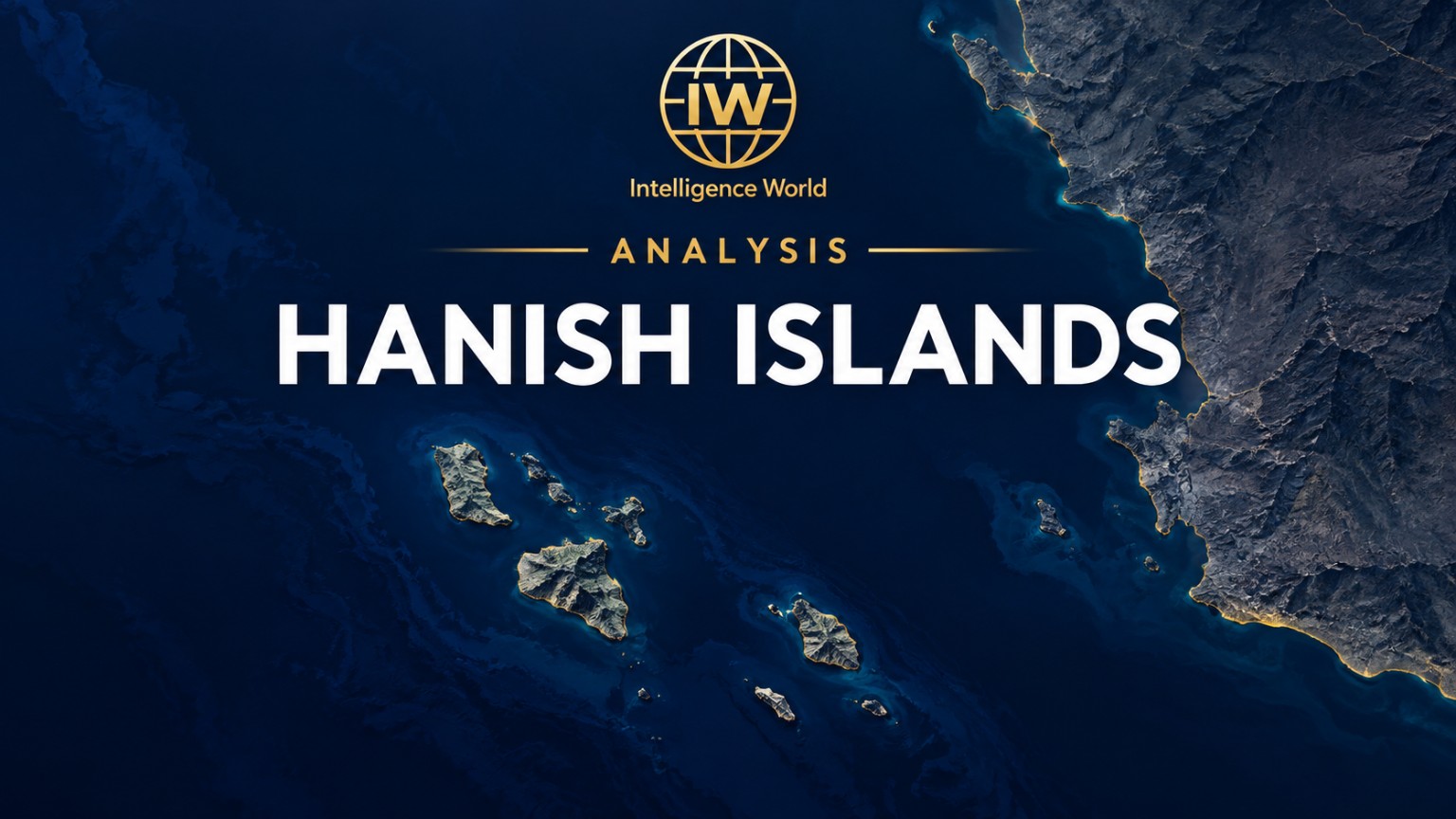
Ansar Allah’s reported occupation of the Hanish Islands strengthens its position near Bab el-Mandeb. This Analysis assesses the islands’ potential role in surveillance and maritime targeting, while distinguishing territorial control from a demonstrated sea-denial capability.