
Tag: Electronic Warfare
-

Ukraine reports 96 Russian UAVs, 64 described as jet-powered, with 73 shot down or suppressed. The reported figures remain unaudited and do not establish physical destruction or interception methods.
-

Ukraine’s Operation Vivaldi integrated ground robots, aerial drones, electronic warfare and infantry during a localised counteroffensive in the Lyman sector. The 277 km² gain remains a Ukrainian military claim.
-
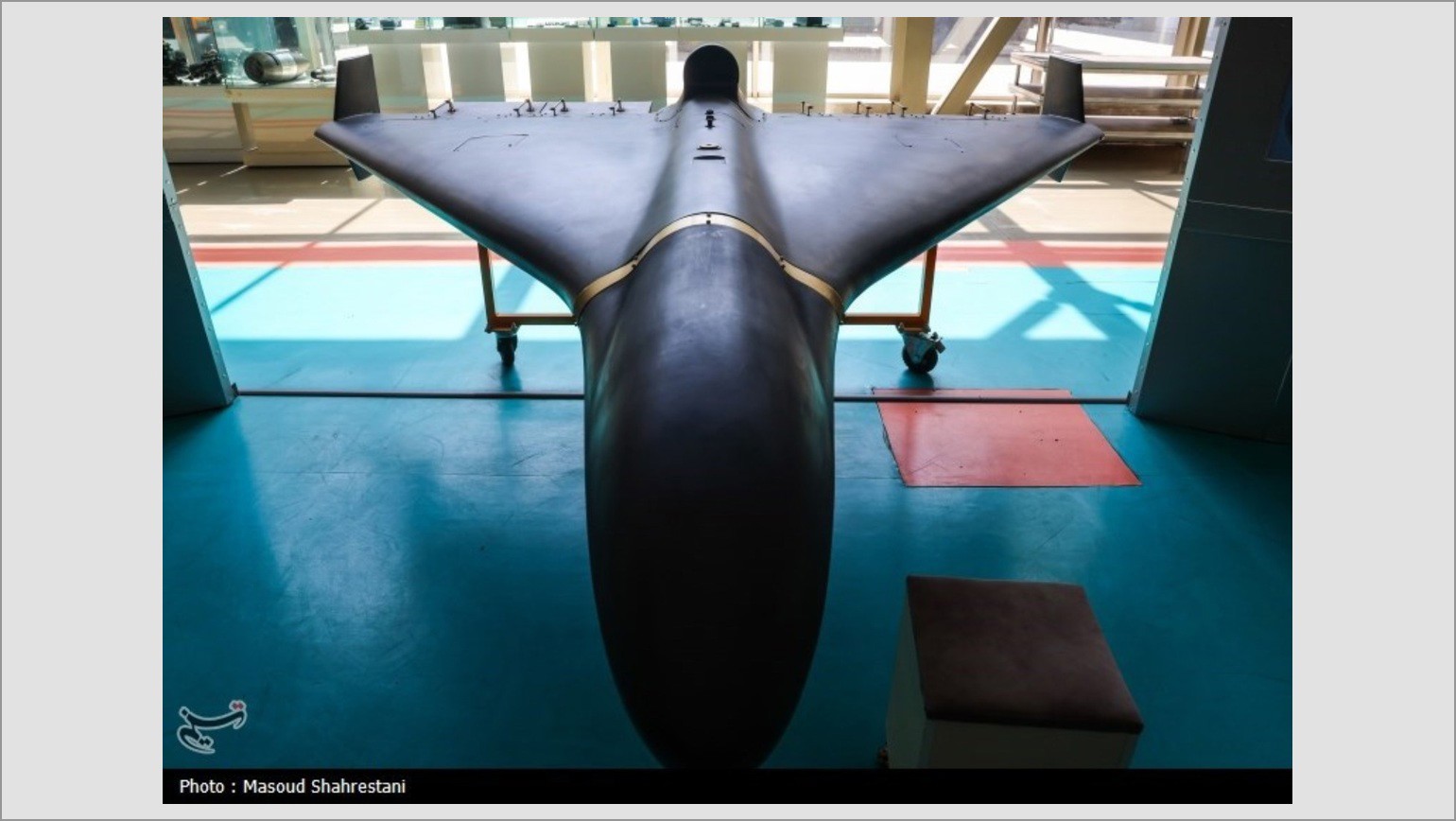
Ukraine reports 65 jet-powered UAVs among 128 drones launched overnight. IW assesses the operational impact and limits of the reported interception data.
-
Published: 1 November 2026 Event: Interview published 30 October; further reporting 31 October 2026 Fire Point’s chief executive said the company had developed ways to complete strike missions without SpaceX satellite communications. Technical details were withheld, and she acknowledged that unrestricted connectivity would enable greater capability. Assessment: Communications resilience and mission completion are distinct from…
-
Published: 29 October 2026Event: 28 October 2026 Germany’s military cyber chief said its permanent brigade in Lithuania would use electronic-warfare capabilities to provide early warning of military activity in Kaliningrad and Belarus. The stated role includes collecting data on military emitters and radar systems for German and allied electronic-warfare databases. The brigade is due to…
-

How the PLA studies Ukraine’s war and translates lessons on drones, electronic warfare, ISR and command into training and military adaptation, with implications for Taiwan.
-

Centre-2026 provides evidence that Russia is moving beyond battlefield adaptation toward the institutionalization of lessons developed during more than four years of war in Ukraine. The exercise integrated unmanned systems, counter-UAS defence, reconnaissance-fire coordination, contested logistics, robotic platforms and small-unit tactical adaptation into strategic-level training and multinational exercises. The evidence supports a judgment of partial…
-

Finland’s entry into the French forward deterrence initiative adds a strategic dialogue alongside NATO and JEF structures, while leaving nuclear command authority unchanged. This analysis examines how shared ISR, rapid attribution, regional command arrangements and conventional readiness would shape deterrence below the nuclear threshold on NATO’s northern flank.
-

This dossier assesses how Russia’s Armed Forces may evolve from the war against Ukraine. It examines force regeneration, battlefield learning, industrial capacity and structural constraints, and outlines three force-development trajectories to 2030.
-
KNDS and Aerix Systems have announced cooperation to mature and industrialise the AXS-μ1 drone interceptor for integration into the TARGAS DSP10 counter-UAS architecture. The system combines electronic warfare, including the Raptor 2 component, with an autonomous hit-to-kill interceptor designed particularly for FPV-class threats. Production is planned from 2027. The programme illustrates the European shift toward…