
Ukrainian UAVs struck the Slavneft-YANOS refinery in Yaroslavl during the night of 2–3 November. Regional authorities reported infrastructure damage, a fire and two injured employees; the extent and duration of any production disruption remain unknown.
Incident date: 3 November 2026 | Area: Yaroslavl Oblast, Russian Federation | Target: Slavneft-YANOS (Yaroslavnefteorgsintez) | Domain: Long-Range UAV Operations | Energy Infrastructure
1. Reported attack
A Ukrainian drone attack struck the Slavneft-YANOS oil refinery in Yaroslavl during the night of 2–3 November 2026. Regional Governor Mikhail Yevrayev reported damage to refinery infrastructure, a fire and injuries to two employees.
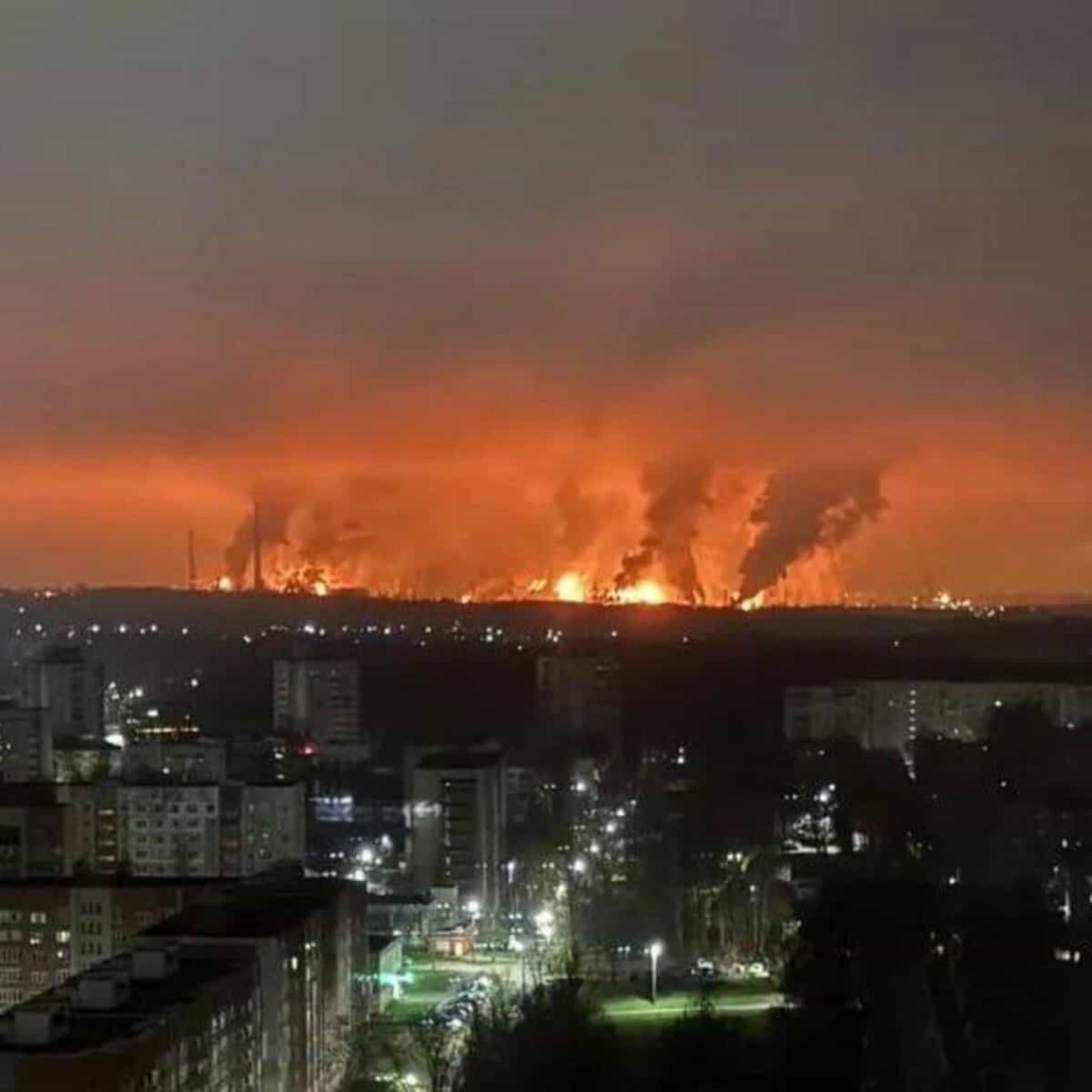
Yevrayev also stated that Russian defences had repelled an attack involving 124 drones. This is an official Russian claim, not independently verified; it does not establish how many UAVs reached the refinery or how many directly impacted the site. Imagery circulated online appears to show a substantial fire, but damage to individual processing units has not been established.
2. Operational context
Located approximately 250 kilometres northeast of Moscow, Slavneft-YANOS is a major Russian refining facility with nominal crude-processing capacity of around 15 million tonnes per year. The reported attack forms part of Ukraine’s wider long-range campaign against Russian energy infrastructure.
Repeated strikes can increase demands on air defence, electronic warfare, emergency response and industrial repair. Their strategic effect, however, depends on sustained disruption to refinery operations rather than on the visible scale of a fire alone. The facility’s nominal capacity should not be read as output lost in this incident.
3. Intelligence World assessment
The incident demonstrates the continuing exposure of fixed Russian industrial infrastructure to Ukrainian long-range UAV operations. The available evidence does not establish a failure of the entire local air-defence network, nor does it confirm a reduction in refining throughput.
The visible fire indicates an emergency at the facility, but it cannot by itself show which process units were affected, whether crude processing stopped, or how much output may have been lost. Those questions remain open.
4. Indicators and implications
The principal indicators to monitor are identification of damaged units, any suspension of crude processing, repair timelines and the return to normal production. Repeated or prolonged outages could impose cumulative costs on Russian energy infrastructure and increase the protection and repair burden. The scale of any operational effect will depend on the duration and recurrence of disruption.
Related Intelligence World reporting
Ukraine Signals Resumption of Refinery Strikes as Russia Vows Escalation
Report Describes Unofficial Pause in Ukrainian Strikes on Russian Refineries
Ukraine’s Deep-Strike Campaign and the Limits of Strategic Autonomy
Tags: Spot Report; Russia; Ukraine; Yaroslavl; Slavneft-YANOS; UAV; Long-Range Strikes; Energy Infrastructure; intelligenceworld.net.
Source basis: official regional statements and verified open-source reporting. Reported figures and imagery are distinguished from independently established damage and operational effects.
Military & Defence Analysis Team – Air & Air Defence Analyst