
Ukrainian units have reported interceptions of jet-powered BM-70 and BM-35 attack UAVs. The footage points to two separate variants and shows that damage from an initial interceptor does not necessarily end a target’s flight.
Incident dates: 19 and 23 October 2026 | Area: Ukraine; precise locations not established in the released material | Systems: Russian BM-35 and BM-70, as identified by Ukrainian units
1. Two reported engagements
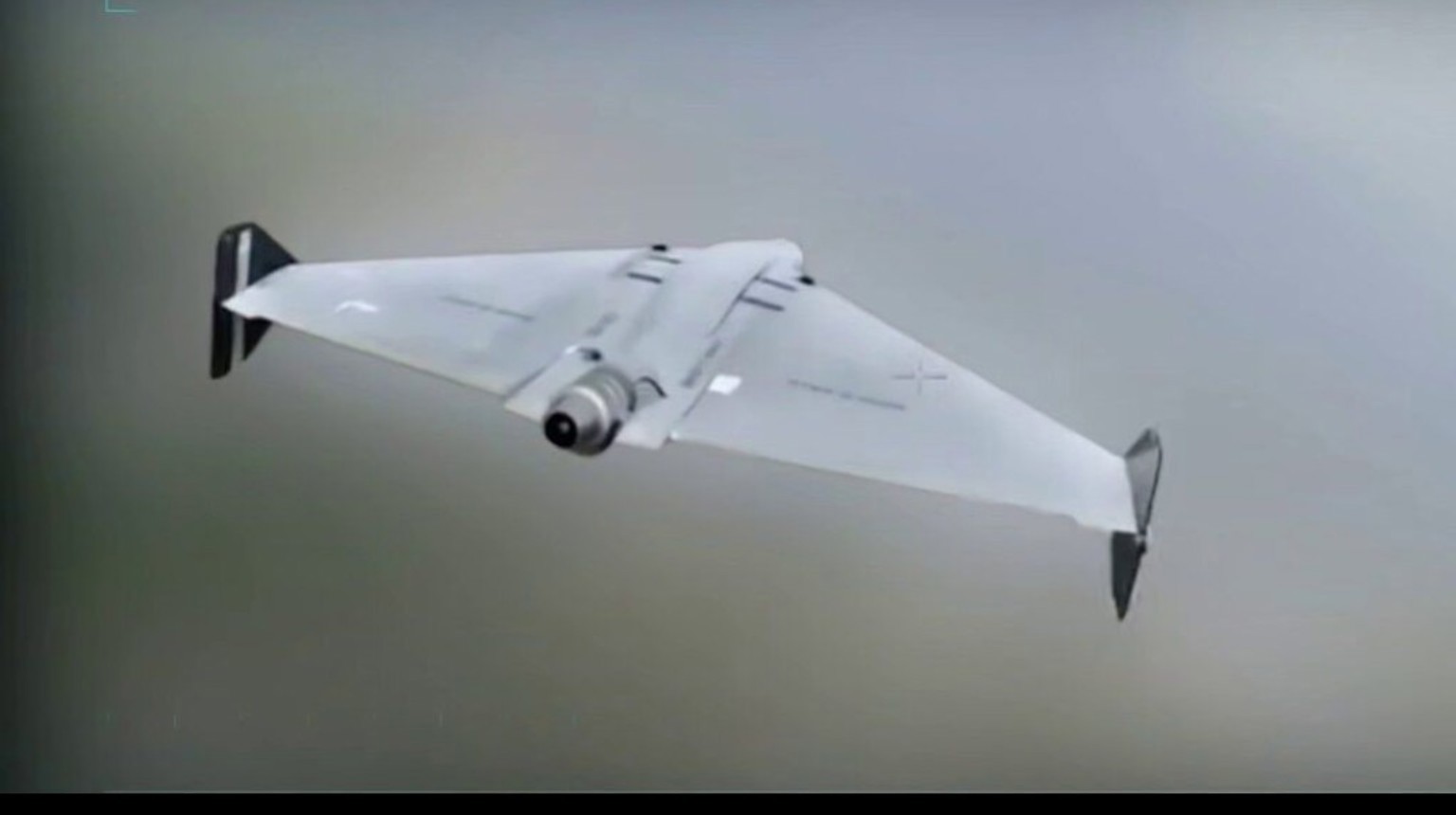
On 23 October, the 42nd Separate Mechanised Brigade released footage of an engagement with a Russian UAV it identified as a jet-powered BM-70. Four days earlier, the Redneck unit of the 78th Separate Air Assault Brigade had shown the interception of a jet-powered BM-35. These are separate incidents involving two reported models; the October BM-70 report is not the first public indication of a jet-powered UAV in this category, as a BM-35 variant had been shown in August.
2. Imagery and identification
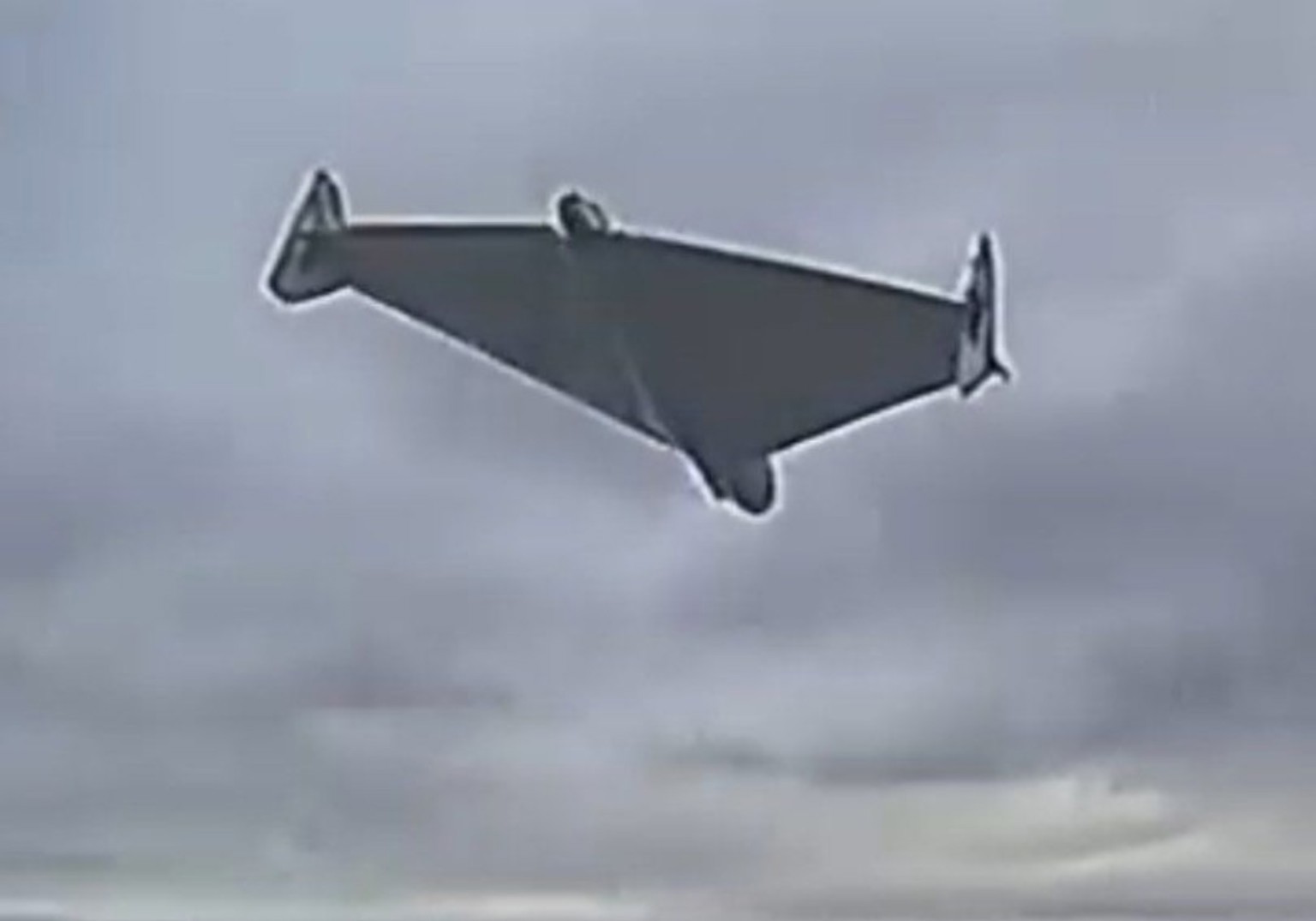
The supplied BM-70 frames show a fixed-wing, delta-shaped airframe with an apparent jet installation. They are consistent with the unit’s identification, but image quality and viewing angle do not independently establish the model or reveal performance characteristics. The designation BM-70 is therefore reported as the Ukrainian unit’s identification.
A second frame from the same reporting shows the aircraft in silhouette. Neither frame provides a reliable basis for estimating speed, range, payload or engine performance.
3. IW assessment
The 19 October BM-35 footage provides a useful engagement detail. According to the 78th Brigade, the first FPV interceptor damaged a wing, but the UAV continued flying; a second interceptor was required to bring it down. The sequence illustrates the difference between achieving a hit and terminating a mission. The released video does not establish how much damage the first impact caused or whether the aircraft remained fully controllable.

Performance figures reported for the jet-powered BM-35, including speeds above 350 km/h, remain claims rather than measurements established by these engagements. Public technical data for the jet-powered BM-70 have not been confirmed. The standard BM-70 has been described as a piston-engined, propeller-driven aircraft; those baseline characteristics should not be transferred to the reported jet variant.
4. Operational implications
If the jet variants achieve higher transit speeds, they could shorten the time available for detection, cueing and interception. The available footage does not quantify that effect or show whether the BM-70 matches the performance claims associated with the BM-35. The evidence supports a narrower conclusion: Ukrainian units report encountering at least two jet-powered attack-UAV variants, and an initial interceptor hit may not be sufficient to stop one.
Further reporting should establish whether these variants appear repeatedly, what missions they are assigned, and whether their observed employment differs from that of propeller-driven BM-35 and BM-70 aircraft. The present material does not demonstrate a fleet-wide transition to jet propulsion.
Related Intelligence World reporting
Ukraine Accelerates High-Speed Interceptor Drone Development Against Russian Jet UAVs
Russia Employs High-Speed Jet-Powered Drones in New Ukraine Strike Wave
Tags: Spot Report; Ukraine; Russia; UAV; Jet-powered UAV; Counter-UAS.
Source basis: official military statements and released imagery, assessed alongside available open-source information. System identifications are attributed to the units that published the footage; technical performance claims are not treated as independently verified.
Military & Defence Analysis Team – Air & Air Defence Analyst